


EXHIBITION — ÍNTIMO - PROJECT SPACE
Un lugar para existir
Eddy Leonel Aldana, Jackie Amézquita, Häsler Gómez, Eddy A. López, Lorena Molina, Paulina Velázquez, Martín Wannam
Opening: Saturday, October 10, 2026, 11:00 a.m. – 4:00 p.m.
Curated by Marilyn Boror Bor, Lily Cox-Richard, and Jimena Pons Ganddini
With the collaboration of Ana Lucía Montufar and Ilaria Conti
Artists:
Eddy Leonel Aldana (GT)
Jackie Amézquita (GT)
Häsler Gómez (GT)
Eddy A. López (NI)
Lorena Molina (SV)
Paulina Velázquez (CR–MX)
Martín Wannam (GT)
In collaboration with Agencia Ocote
There is a material persistence of the place of origin in many experiences of migration. It appears in objects, images, food, and forms of work that continue to be part of everyday life after displacement. As they enter new geographies, these elements accumulate new layers of meaning without losing their connection to the places they come from. Within them, affect settles, transforms, and is passed on.
These connections are not formed in a single way, nor do they remain unchanged over time. To speak of migrations in the plural means recognizing displacements that may be forced or voluntary, temporary or permanent, and shaped by historical, political, economic, familial, and personal circumstances. The plural requires us to attend to the singularity of each experience.
Un lugar para existir (A Place to Exist) begins from this multiplicity and brings together Central American artists whose personal and family histories have been marked by migration to the United States, with effects that extend across generations.
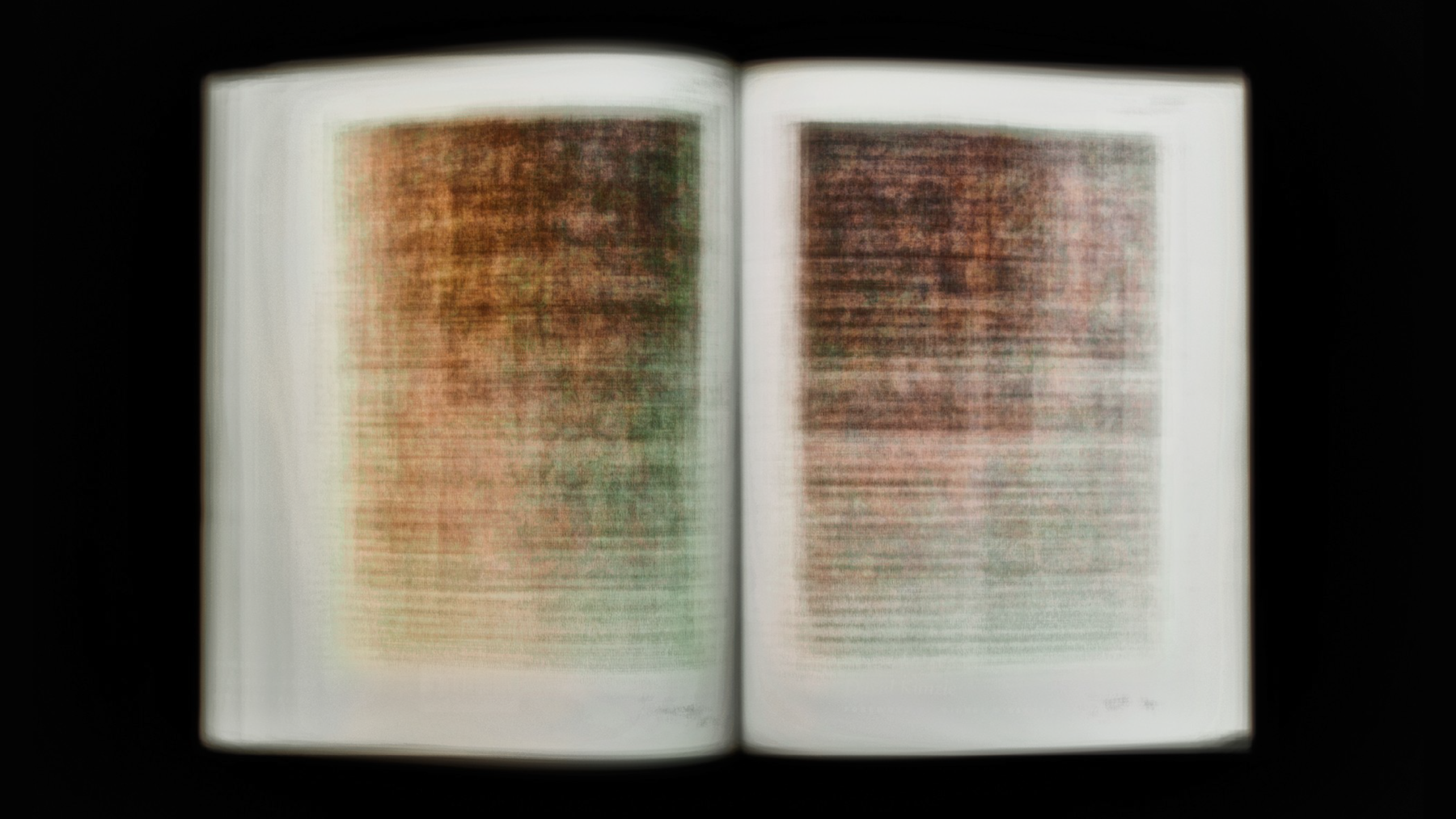
In the works gathered here, even what appears stable is subject to change. A shifting fingerprint challenges systems that demand fixed identities; an image loses definition as it is reproduced; earth and corn connect displacement, cultivation, and return; objects and remnants hold together labor, care, and family transmission. Intimate narratives intertwine with the political and economic processes that have shaped the region, placing migration within larger histories that extend beyond individual experience. Memory does not remain intact: it changes as it moves between bodies, places, and generations.
A place to exist can be one from which it is possible to build a life of one’s own, transform what has been inherited, and make space for desire and return. This is the insistence that runs through these works: not only displacement, but the ways life continues to take shape through it.